Erectile Tissue After Prostate Surgery: What Happens Following a Radical Prostatectomy?

 | 
by Pavitra Purohit, Scientific Product Manager

Following a radical prostatectomy (prostate cancer surgery), many men find that spontaneous erections are initially absent or change significantly. This also alters the regular blood flow and oxygen supply to the erectile tissue. As a result, many men look for information about what happens to the erectile tissue after prostate surgery and the role penile rehabilitation may play during recovery.

Many patients ask:

  • What happens to the erectile tissue after prostate surgery?
  • Can the erectile tissue recover?
  • Why do doctors talk about penile rehabilitation?
  • What does "erectile tissue training" mean?

These are understandable questions. Erectile tissue plays a central role in achieving an erection. At the same time, scientific studies indicate that the erectile tissue can undergo biological changes during the recovery phase following a radical prostatectomy.

In this article, you will learn about the function of the erectile tissue, the changes described following prostate surgery, and why preserving the structure of the erectile tissue is now regarded as an important component of modern penile rehabilitation.

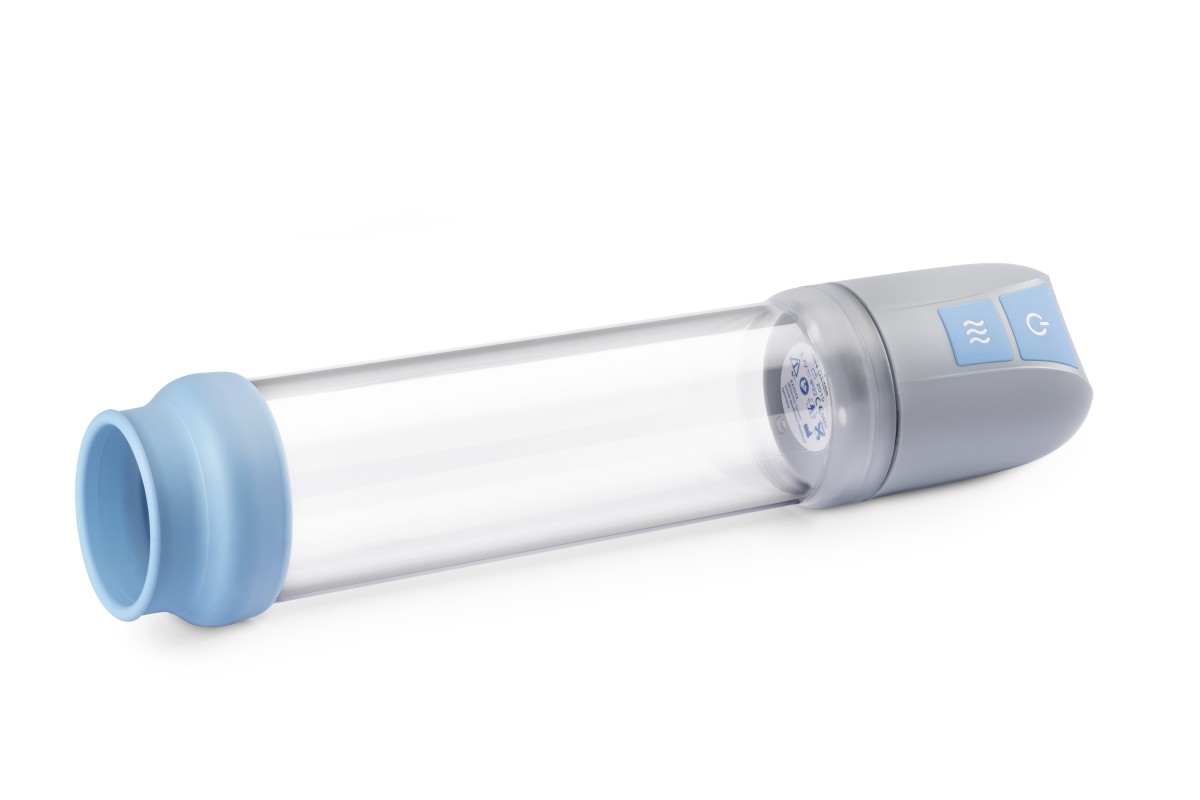
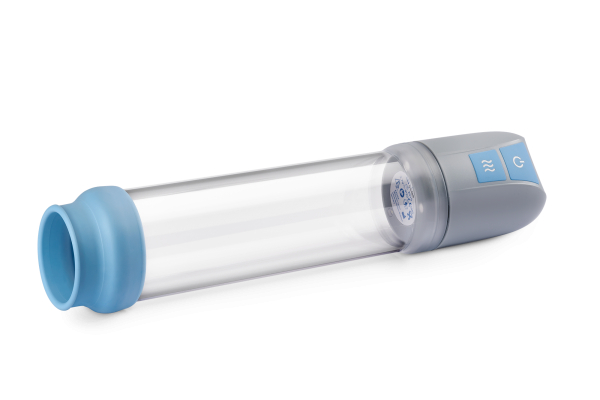
active3 erection system liegend 300

What are the Corpora Cavernosa?

The corpora cavernosa are the two cylindrical erectile bodies that form most of the erectile tissue of the penis. They consist of a complex network of blood vessels, smooth muscle, elastic fibres, and small vascular spaces called sinusoids.

During an erection, the arteries supplying the penis dilate, allowing increased blood flow into the corpora cavernosa while venous outflow is simultaneously reduced. This coordinated process enables the rigidity of the penis required for sexual intercourse.

However, the corpora cavernosa do more than simply produce an erection. They are composed of highly specialised erectile tissue whose structure and function depend on healthy blood flow and an adequate oxygen supply.

Spontaneous and nocturnal erections are part of normal physiology and contribute to the regular blood flow and oxygen supply of the erectile tissue.

To learn more about the importance of oxygen for erectile health, read our article "Why Oxygen Is Important for Erectile Health and How Vacuum Erection Therapy Helps Support Healthy Tissue."


__________________________________________________________________________________________________________

What Happens to the Erectile Tissue After Prostate Cancer Surgery?

Following a radical prostatectomy, the nerves responsible for erectile function may be temporarily impaired. During this phase, many men experience fewer or no spontaneous or nocturnal erections. In the scientific literature, this temporary condition is commonly described as neuropraxia.
As spontaneous erections become less frequent, the regular filling of the corpora cavernosa with blood is also reduced. 

Experimental and clinical studies indicate that reduced blood flow and oxygen supply to the erectile tissue may be associated with biological remodelling processes. These may include:

  • a reduction in smooth muscle cells,
  • an increase in collagen deposition,
  • changes in the composition of the erectile tissue,
  • fibrotic remodeling, and 
  • changes in veno-occlusive function.

These biological changes are discussed as possible factors that may influence the recovery of erectile function. However, recovery varies considerably from one individual to another.

How quickly and to what extent erectile function recovers depends on several factors, including:

  • age,
  • overall health,
  • underlying medical conditions (e.g. vascular disease or diabetes),
  • the surgical technique, and
  • the extent of nerve preservation.

For this reason, it is not possible to predict how quickly erectile function will recover following prostate surgery.

Because erectile dysfunction after prostate surgery can have a variety of causes, you can find a general overview of possible causes and conservative treatment options in our article "What to Do About Erectile Dysfunction."

Against this background, modern rehabilitation approaches do not focus exclusively on restoring the ability to achieve an erection. Equally important is preserving the structure and function of the corpora cavernosa during the recovery period. The emphasis is on educating patients about these biological changes and providing individualised medical guidance throughout recovery.


__________________________________________________________________________________________________________
Why Do Doctors Talk About Penile Rehabilitation?

Growing understanding of the biological changes that may occur in the corpora cavernosa following prostate surgery has led to the development of the concept of penile rehabilitation.

Penile rehabilitation describes an individualised rehabilitation approach during the recovery period following a radical prostatectomy. Depending on the patient's individual circumstances, various conservative measures may form part of this approach.

It is important to understand that penile rehabilitation is not a stand-alone treatment and does not guarantee the restoration of erectile function. The most appropriate rehabilitation measures depend on each patient's individual situation and should be discussed with the treating urologist.

Depending on medical advice, a penile rehabilitation program may include:

  • medication,
  • pelvic floor muscle training,
  • sexual counseling,
  • vacuum erection devices (VEDs)
  • shockwave therapy and platelet-rich plasma (PRP).

The current European Association of Urology (EAU) Guidelines describe penile rehabilitation as an individualised approach that should be tailored to each patient's specific situation. The emphasis is on providing individualised support during the recovery period and informing patients about appropriate conservative treatment options.


__________________________________________________________________________________________________________

What Does "Erectile Tissue Training" Mean?

The term "erectile tissue training" is not an officially recognised medical term. It is commonly used to describe measures intended to support the regular filling of the corpora cavernosa with blood during the recovery period.

This should not be confused with muscle training in the traditional sense. Rather, the term refers to the concept that maintaining regular blood flow to the erectile tissue during recovery may help support the preservation of its structure and function.

Which rehabilitation measures are appropriate should always be discussed with the treating urologist.


__________________________________________________________________________________________________________
What Role Can Vacuum Erection Devices Play?

Vacuum erection devices (VEDs) are among the conservative treatment options that have been scientifically investigated in the context of penile rehabilitation. The current European Association of Urology (EAU) Guidelines describe vacuum erection devices as a possible component of an individualised penile rehabilitation programme. Whether a vacuum erection device is appropriate in an individual case should be discussed with the treating urologist.

If you would like to learn more about the use of a vacuum erection device during the recovery period following prostate surgery, read our article "Vacuum Pumps After Prostate Surgery: Gentle Help for Potency?"

When a vacuum erection device is used to help achieve an erection for sexual intercourse, a constriction ring may also be used to help maintain the erection. To learn more about the role of constriction rings and what to consider when using them, read our article "Maintaining an Erection Using Vacuum Therapy: The Role of Constriction Rings."

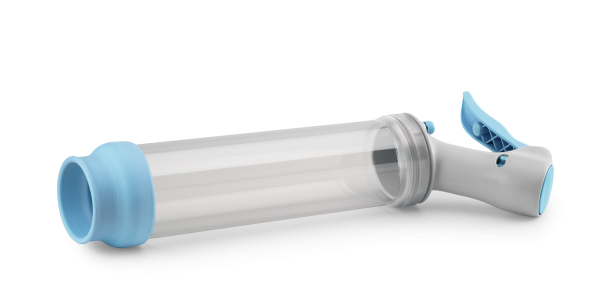
If you would like to compare the available Medintim systems, read our article "Active vs. Manual Erection System: Two Trusted Medintim Solutions for Erectile Dysfunction.


__________________________________________________________________________________________________________

The Psychological Side of Recovery

Recovery following prostate surgery involves more than physical healing alone.

Changes in erectile function can also affect self-confidence, intimate relationships, and emotional well-being. Many men experience uncertainty, frustration, or performance anxiety during this period, regardless of how successful the medical treatment has been. Partners may also find these changes emotionally challenging, and erectile dysfunction can place additional strain on a relationship.

For this reason, psychological or sexual counselling may be an important part of recovery alongside physical rehabilitation. Open communication with a partner and the treating physician can help set realistic expectations and identify appropriate sources of support.

To learn more about this aspect, read our article "Psychological Aspects of an Erection: More Than Just a Physical Reaction."


__________________________________________________________________________________________________________

Changes in Penile Length Following Prostate Surgery

One issue that concerns many men following a radical prostatectomy is the possibility of changes in penile length. This phenomenon has been investigated in numerous scientific studies.

The underlying causes are complex and are likely to be multifactorial. The scientific literature discusses several possible contributing factors, including temporary impairment of the cavernous nerves, reduced spontaneous and nocturnal erections, and biological changes within the erectile tissue.

Not every patient experiences these changes, and both the extent and duration may vary considerably between individuals. Any assessment of changes in penile length should therefore always be made within the context of the individual patient's clinical situation.

Questions about changes in penile length are frequently discussed in the context of penile rehabilitation and the recovery of erectile function. The most appropriate management options should always be discussed with the treating urologist.


__________________________________________________________________________________________________________

Frequently Asked Questions

Can the Corpora Cavernosa Recover After Prostate Cancer Surgery?
Changes in the erectile tissue and the recovery of erectile function vary considerably between individuals. Factors such as age, underlying medical conditions, the surgical technique, and the extent of nerve preservation may all influence the course of recovery. Which rehabilitation measures are appropriate should always be discussed with the treating urologist.

What Does "Erectile Tissue Training" Mean?
"Erectile tissue training" is not an officially recognized medical term. It is a lay term used to describe measures intended to support the regular filling of the corpora cavernosa with blood during the recovery period.

Why Are Nocturnal Erections Important?
Nocturnal erections are part of normal physiology and contribute to the regular blood flow and oxygen supply of the erectile tissue.

When Does Penile Rehabilitation Begin?
Penile rehabilitation may begin as early as a few weeks after prostate surgery, depending on the individual's situation. The appropriate timing should always be discussed with the treating urologist.

Can a Vacuum Erection Device Be Used After Prostate Surgery?
Vacuum erection devices (VEDs) are described in scientific guidelines as one possible component of an individualised penile rehabilitation programme. Whether their use is appropriate in an individual case should be discussed with the treating urologist.

What Should I Do If I Experience Erectile Dysfunction After Prostate Surgery?
Erectile dysfunction following prostate surgery can have a variety of causes. An early discussion with the treating urologist can help identify the most appropriate management options based on the individual's situation.


__________________________________________________________________________________________________________

Conclusion

The corpora cavernosa play a central role in erectile function and may undergo biological changes during the recovery period following a radical prostatectomy. The recovery of erectile function varies considerably between individuals and depends on multiple factors.

The concept of penile rehabilitation reflects this complexity by incorporating different conservative treatment options within an individualised rehabilitation programme. Which rehabilitation measures are appropriate should always be discussed with the treating urologist.

A better understanding of the biological changes that may occur in the corpora cavernosa can help patients make informed decisions about their individual rehabilitation and develop realistic expectations for the recovery process.


__________________________________________________________________________________________________________

Medical Note

This article is intended for general patient information only and is not a substitute for professional medical advice, diagnosis, or individual treatment recommendations. The information presented is based on the current state of scientific knowledge and does not replace a personal consultation with your treating urologist or other qualified healthcare professional. Decisions regarding diagnosis, treatment, or rehabilitation should always be made in consultation with a qualified healthcare professional.


__________________________________________________________________________________________________________

Scientific Sources

  1. European Association of Urology. EAU Guidelines on Sexual and Reproductive Health [Internet]. Arnhem (The Netherlands): European Association of Urology; 2025 [cited 2026 Jul 3]. Available from: https://uroweb.org/guidelines/sexual-and-reproductive-health
  2. Bock M, Burns RT, Pereira TA, Bernie HL. A contemporary review of the treatments and challenges associated with penile rehabilitation after radical prostatectomy including a proposed optimal approach. Int J Impot Res. 2024;36(5):480-485.
  3. Pirola, G.M., Naselli, A., Maggi, M. et al. Vacuum erection device for erectile function rehabilitation after radical prostatectomy: which is the correct schedule? Results from a systematic, scoping review. Int J Impot Res 36, 194–200 (2024).
  4. Lin H, Wang R. The science of vacuum erectile device in penile rehabilitation after radical prostatectomy. Transl Androl Urol. 2013;2(1):61-66.
  5. Liu C, Lopez DS, Chen M, et al. Penile rehabilitation therapy following radical prostatectomy: a meta-analysis. J Sex Med. 2017;14(12):1496-1503.
  6. Raina R, Agarwal A, Ausmundson S, et al. Early use of vacuum constriction device following radical prostatectomy facilitates early sexual activity and potentially earlier return of erectile function. Int J Impot Res. 2006;18(1):77-81.
  7. Köhler TS, Pedro R, Hendlin K, et al. A pilot study on the early use of the vacuum erection device after radical prostatectomy. J Sex Med. 2007;4(3):858-862.
  8. Wang R. Vacuum Erectile Device for Rehabilitation After Radical Prostatectomy. J Sex Med. 2017;14(2):184-186. 
  9. Mulhall JP. Penile rehabilitation following radical prostatectomy. Curr Opin Urol. 2008;18(6):613-620.