History of the Diaphragm: Evolution of a Hormone-Free Contraceptive Method

 |   | 
by Pavitra Purohit, Scientific Product Manager

A contraceptive method with a long history

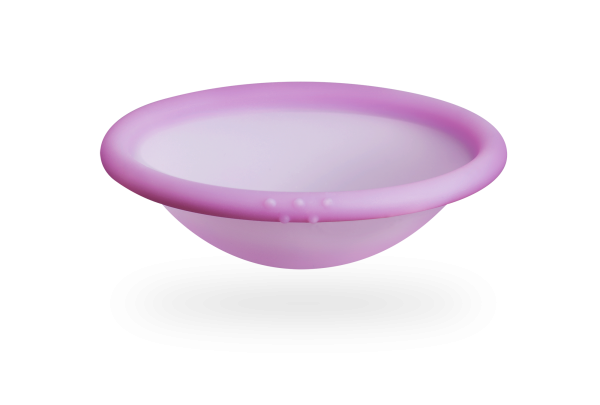
The diaphragm is one of the oldest female-controlled contraceptive methods still available today. As a hormone-free barrier method, it has played an important role in the history of contraception for more than a century.
While modern contraceptive options have evolved significantly, the basic principle of the diaphragm has remained unchanged: creating a physical barrier that helps prevent sperm from reaching the cervix.


__________________________________________________________________________________________________________

The origins of the diaphragm

The first modern vaginal diaphragm was developed in 1882 by the German physician Dr Wilhelm Peter Johannes Mensinga.
At a time when reliable contraceptive options were limited, Mensinga sought a practical method that women could use themselves. His invention, known as the Mensinga pessary, covered the cervix and acted as a barrier against sperm.
The method gained popularity in Europe and North America and became an important female-controlled forms of contraception.


__________________________________________________________________________________________________________

From traditional diaphragm to modern design

Throughout the twentieth century, different diaphragm designs, materials and sizing systems were introduced. Traditional diaphragms were typically available in multiple sizes and often required fitting by a healthcare professional.
The introduction of hormonal contraceptives in the 1960s led to a decline in diaphragm use in many countries. However, continued interest in hormone-free contraception contributed to renewed attention for barrier methods in later decades.


__________________________________________________________________________________________________________

The SILCS project

A major milestone in the development of the diaphragm began in 1996 when PATH (Program for Appropriate Technology in Health) launched the SILCS (Single Size Barrier Device) project.
The aim was to modernise the diaphragm and simplify access to the method. Researchers explored whether a single-size diaphragm could reduce the need for individual sizing while maintaining suitability across a broad range of users.
Over a ten-year period, studies evaluated fit, usability, safety and user acceptance. This research contributed to the development of a redesigned diaphragm concept based on anatomical studies and modern materials.


__________________________________________________________________________________________________________

Medintim and the development of the Caya® Diaphragm

In 2011, responsibility for the further development, regulatory approval, manufacturing and commercialisation of the newly developed diaphragm was transferred to KESSEL Medintim GmbH in Germany.
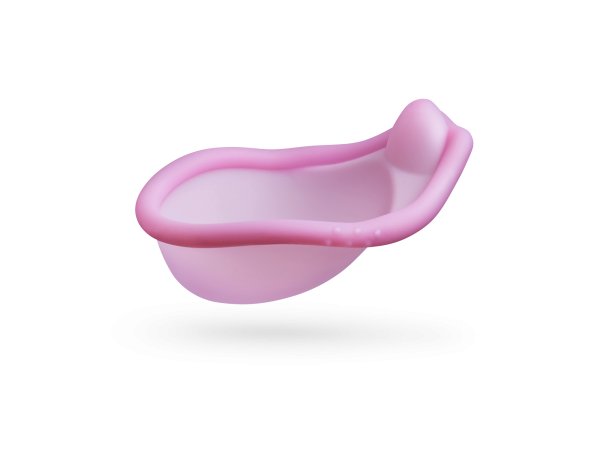
The development name SILCS was replaced by the brand name Caya® Contoured Diaphragm, and production was established in Germany under certified medical device quality standards.
The Caya® Contoured Diaphragm was introduced in Europe in 2013 and has since become available in additional international markets.


__________________________________________________________________________________________________________

The diaphragm today

Today, the diaphragm remains one of several hormone-free contraceptive methods available to women.
Readers interested in learning more about the history, development and practical use of the diaphragm can find additional educational information at Diaphragma.de.


__________________________________________________________________________________________________________

Conclusion

The history of the diaphragm demonstrates how a medical innovation can evolve while maintaining a proven principle.

From Mensinga's original invention in 1882 to the development of the modern Caya® Contoured Diaphragm, the method has adapted to changing healthcare needs and technological advances. Today, it remains part of the range of hormone-free contraceptive methods available to women.


__________________________________________________________________________________________________________

Important note

No contraceptive method provides 100% protection against pregnancy. The diaphragm does not protect against sexually transmitted infections (STIs).

References

  1. PATH. SILCS Diaphragm: Design History
    https://www.path.org/our-impact/resources/silcs-diaphragm-design-history/
  2. PATH. SILCS Diaphragm Technology Update
    https://www.path.org/our-impact/resources/silcs-diaphragm/
  3.  Schwartz JL, Weiner DH, Lai JJ et al. Contraceptive efficacy, safety, fit, and acceptability of a single-size diaphragm developed with end-user input. Obstetrics & Gynecology. 2015.
    https://www.essentialaccess.org/sites/default/files/Contraceptive_Efficacy_Safety_Fit.pdf
  4. Kilbourne-Brook M, Coffey PS. Learnings From an Innovative Model to Expand Access to a New and Underutilized Nonhormonal Contraceptive Diaphragm. Global Health: Science and Practice. 2024.
    https://www.ghspjournal.org/content/12/5/e2400215