Incontinence is a topic many men avoid discussing—yet it affects millions worldwide. Particularly after prostate surgery, urinary leakage is a common experience that can impact daily routines, confidence, and overall well-being.
Despite its prevalence, male incontinence often remains unspoken. Feelings of embarrassment or stigma may prevent men from seeking support, leaving many to manage the condition on their own. Raising awareness is an important step toward changing this.
_______________________________________________________________________________________________________
Understanding Male Incontinence
Male urinary incontinence is a medical condition, not a personal failure. It can occur due to:
- prostate surgery
- age-related changes
- neurological conditions
- prostate enlargement or related treatments
Common types include:
- Stress incontinence - leakage during physical activity or exertion
- Urge incontinence - sudden need to urinate followed by leakage
In many cases, symptoms may improve over time or can be managed with appropriate measures.
_______________________________________________________________________________________________________
Managing Incontinence: Available Approaches
Depending on individual needs and medical advice, management options may include:
- pelvic floor exercises
- lifestyle adjustments
- medication (if prescribed)
- surgical options
- supportive medical devices
_______________________________________________________________________________________________________
A Mechanical Support Option for Men
For men with mild to moderate urinary incontinence, mechanical devices may offer a non-invasive support option.
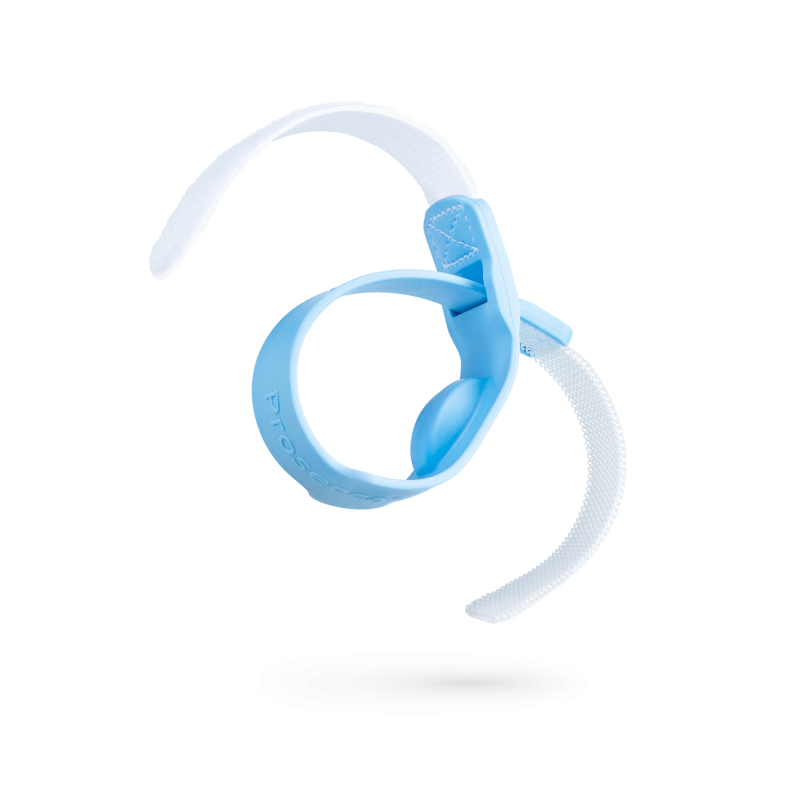
One example is the Prosecca® band, a medical device intended to help reduce involuntary urinary leakage by applying gentle, adjustable pressure to the urethra.
This approach is intended to help limit involuntary urine loss and may support improved comfort in everyday situations.
Individual results may vary depending on the underlying condition.
_______________________________________________________________________________________________________
Key Characteristics
According to product information:
- targeted pressure to support urethral closure
- adjustable fit for individual comfort
- lightweight and discreet under clothing
- suitable for everyday activities
- reusable and easy to clean
- latex-free materials
_______________________________________________________________________________________________________
Use and Safety Information
The band is worn around the penis, with the pressure cushion positioned on the underside of the shaft, and adjusted for a secure but comfortable fit.
The device should only be used according to the instructions for use.
Important:
- Remove before urination
- Do not wear continuously - release at least every 2 hours
- Reduce pressure if discomfort or discoloration occurs
- Clean regularly with water and mild soap
Not suitable for:
- severe urinary incontinence
- acute urinary tract infections
If unsure, consult a healthcare professional.
_______________________________________________________________________________________________________
Encouraging Open Conversation
Male incontinence is more common than often assumed. Speaking openly about it can help reduce stigma and encourage individuals to seek appropriate support.
With the right information and guidance, many men can find ways to manage symptoms and improve their daily comfort.
_______________________________________________________________________________________________________
⚠️ Disclaimer
This article if for informational purposes only and does not replace professional medical advice. Always follow the instructions for use of medical devices. If symptoms persist or worsen, consult a healthcare professional.