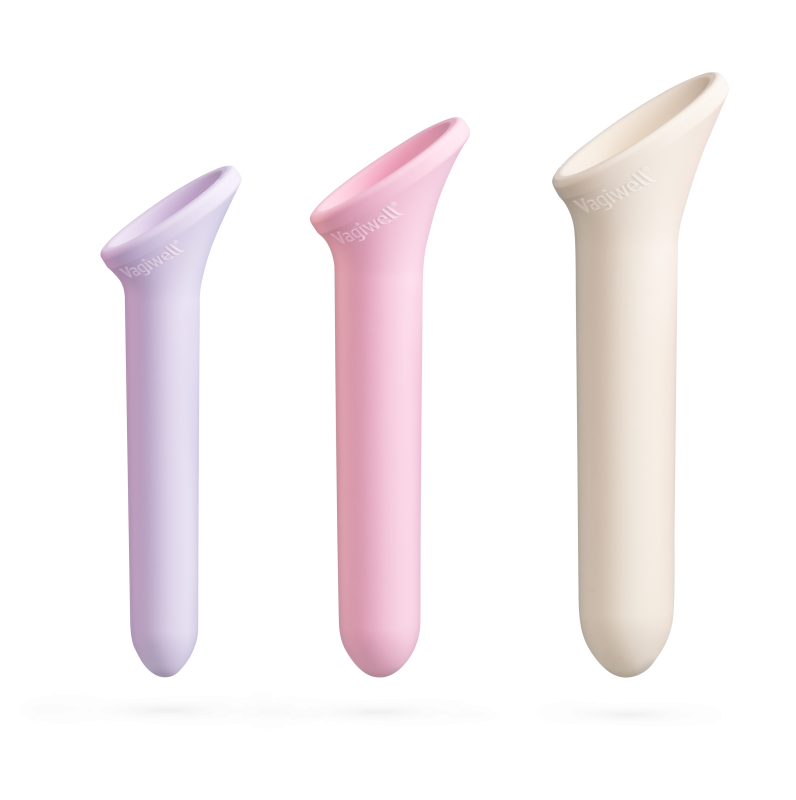
Vaginal dilators are medical devices that may be used when vaginal tissue needs to gradually adapt to penetration again. Healthcare professionals may recommend them after gynaecological surgery, during or after cancer treatment, for vaginismus, or during menopause when vaginal dryness may cause discomfort.
Dilators are designed for gradual stretching of vaginal tissue over time and to support gradual adaptation during use. One factor that can help make the use of vaginal dilators more comfortable is adequate lubrication.
Vaginal dilators are often used as part of gradual therapy to help women adapt comfortably to penetration, particularly when vaginal dryness or sensitivity is present.
_______________________________________________________________________________________________________
What Are Vaginal Dilators?
Vaginal dilators are medical devices intended for gradual stretching of vaginal tissue. They are typically used according to the instructions for use (IFU) or following guidance from a healthcare professional.
Healthcare professionals may recommend dilators in situations such as:
- Discomfort during sexual intercourse
- Vaginismus or pelvic floor muscle tension
- After gynaecological surgery
- After pelvic radiation therapy
- During or after menopause
- Vaginal narrowing or scarring
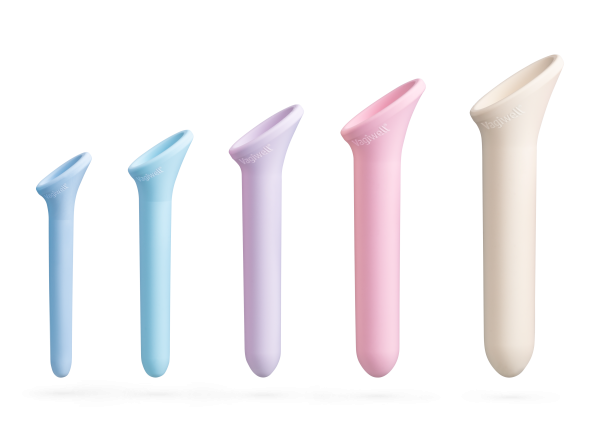
Dilator use usually begins with a smaller size and gradually progresses to larger sizes so that the body can adapt slowly over time. Systems such as Vagiwell® vaginal dilators are designed to support this gradual approach.
_______________________________________________________________________________________________________
Why Vaginal Dryness Can Occur
Vaginal dryness is common and can occur at different stages of life. It happens when the vaginal tissue produces less natural lubrication.
Possible causes include:
- Hormonal changes during menopause
- Breastfeeding
- Cancer treatments such as chemotherapy or radiation therapy
- Certain medications
- Stress or anxiety
- Autoimmune diseases
When natural lubrication decreases, vaginal tissue may become thinner and more sensitive. This can increase friction during penetration or when using vaginal dilators.
_______________________________________________________________________________________________________
Why Lubricants May Help During Dilator Use
Lubricants can help reduce friction between the dilator and vaginal tissue. This may contribute to a more comfortable experience when using vaginal dilators.
Using a lubricant may help:
- Improve comfort during insertion
- Reduce friction on sensitive tissue
- Support relaxation during use
- Make regular dilator use easier
If lubrication is insufficient, friction may irritate delicate vaginal tissue. Using a suitable lubricant may therefore support comfortable use.
_______________________________________________________________________________________________________
Choosing a Suitable Lubricant
Water-based lubricants are commonly used together with vaginal dilators because they are generally compatible with most medical devices and easy to wash off.
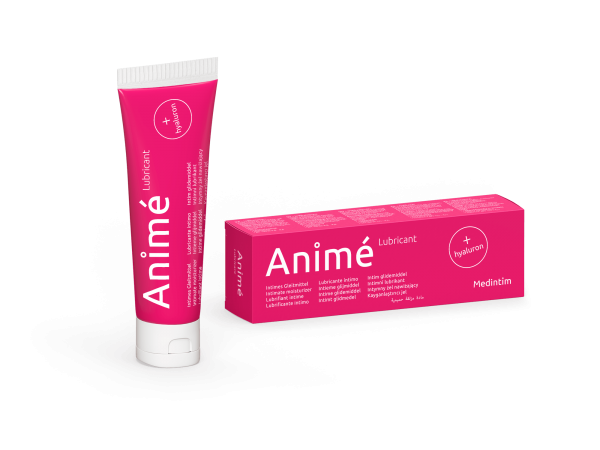
Products such as Animé® lubricant are water-based and intended for use with intimate products. Before use, consult the instructions for use (IFU) of both the dilator and the lubricant.
_______________________________________________________________________________________________________
Tips for Comfortable Use
The following tips may help improve comfort when using vaginal dilators:
- Apply a sufficient amount of lubricants before insertion
- Choose a relaxed and comfortable position
- Start with the smallest dilator size recommended
- Proceed slowly and gently
- Follow the instructions for use and guidance from healthcare professionals
If discomfort, irritation, or pain occurs, stop the application and consult a healthcare professional.
_______________________________________________________________________________________________________
Conclusion
Vaginal dilators are medical devices intended for gradual stretching of vaginal tissue in certain situations. For many users, adequate lubrication can help make dilator use more comfortable. Using a suitable lubricant together with vaginal dilators may help reduce friction and support gentle use. Always follow the instructions for use and guidance from healthcare professionals.
_______________________________________________________________________________________________________
⚠️Disclaimer:
This article is intended for informational purposes only and does not replace professional medical advice. Vagina dilators and lubricants should always be used according to the instructions for use. If pain, irritation, or other symptoms occur, discontinue use and consult a healthcare professional. Product information may vary depending on the product version and applicable instructions for use. Always refer to the current instructions for use provided with the product.
_______________________________________________________________________________________________________
References
- Faubion SS, Sood R, Kapoor E.Genitourinary Syndrome of Menopause: Management Strategies.Mayo Clinic Proceedings. 2017;92(12):1842–1849.
- Miles T, Johnson N.Vaginal dilator therapy for women receiving pelvic radiotherapy.Cochrane Database of Systematic Reviews. 2014.
- Kingsberg SA, Wysocki S, Magnus L, Krychman ML.Vulvar and Vaginal Atrophy in Postmenopausal Women: Findings from the REVIVE Survey.Journal of Sexual Medicine.2013;10(7):1790–1799.
- KESSEL Medintim GmbH.Instructions for Use and Product Information:Vagiwell® vaginal dilators and Animé® lubricant.