Vaginal Dryness: Causes, Symptoms and What Can Help

 | 
by Pavitra Purohit, Scientific Product Manager

Vaginal dryness is a common symptom that can affect women at different stages of life. It occurs most frequently during and after menopause. However, hormonal changes, pregnancy and breastfeeding, stress, certain medications, or chemotherapy can also affect the natural moisture of the vaginal mucosa. Typical symptoms include a feeling of dryness, burning, itching, or pain during sexual intercourse.


__________________________________________________________________________________________________________

What Causes Vaginal Dryness?

The vaginal mucosa requires adequate moisture to maintain its natural protective function and elasticity. When moisture levels decrease, vaginal dryness can occur.
The most common causes include:

  • Menopause and hormonal changes
  • Pregnancy and breastfeeding
  • Stress
  • Certain medications
  • Chemotherapy

The causes can vary from woman, and not everyone experiences the same symptoms.


__________________________________________________________________________________________________________

What Symptoms Can Occur?

Vaginal dryness can present in different ways, including:

  • Feeling of dryness
  • Burning or itching
  • Feeling of tightness
  • Pain during sexual intercourse
  • Irritation of the vaginal mucosa
  • Small tears in the vaginal tissue


__________________________________________________________________________________________________________

What Can Help with Vaginal Dryness?

Depending on the underlying cause and individual symptoms, different measures may be appropriate. In addition to gentle intimate care, hormone-free medical devices and lubricants may provide support for women experiencing vaginal dryness.

Depending on individual needs, different hormone-free medical devices are available to support women with vaginal dryness. Medintim offers a range of products according to their intended purpose. 

Premeno® Vaginal Suppositories are a hormone-free medical device intended for use in cases of vaginal dryness.

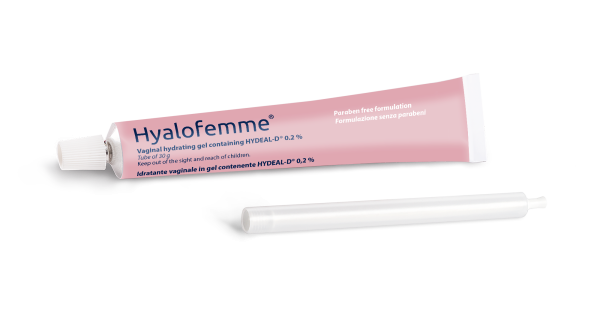
Another option is Hyalofemme® Vaginal Gel. This moisturizing vaginal gel is intended as an adjunctive treatment for vaginal dryness of various causes.

If vaginal dryness mainly causes discomfort during sexual intercourse, Animé® Lubricant, a water-based intimate lubricant, can help improve lubrication during intercourse. 

Further information about the products and their intended purpose can be found on the respective product pages. 


__________________________________________________________________________________________________________

Everyday Tips

In addition to suitable medical devices, simple measured may help maintain intimate comfort:

  • Use mild intimate hygiene products.
  • Avoid heavily perfumed products in the intimate area.
  • Choose breathable cotton underwear.
  • Use a suitable lubricant when needed during sexual intercourse.


__________________________________________________________________________________________________________

Frequently Asked Questions

Is Vaginal Dryness Only a Problem During Menopause?
No. Vaginal dryness can affect women at different stages of life, including during breastfeeding, after childbirth, or in connection with hormonal changes, certain medications, or chemotherapy.

What Is the Difference Between a Vaginal Gel and a Lubricant?
A vaginal gel is intended to moisturize and care for the vaginal mucosa. A lubricant is primarily used to improve lubrication during sexual intercourse.


__________________________________________________________________________________________________________

Conclusion

Vaginal dryness is a common symptom that can affect women at different stages of life. Depending on the underlying cause and individual needs, different measures and hormone-free medical devices may provide support. Medintim offers a range of solutions according to their respective intended purpose.


__________________________________________________________________________________________________________

Further Information

  • German Menopause Society (DMG): Urogenital Symptoms During Menopause
  • AWMF / DGGG: S3 Guideline Peri- and Postmenopause - Diagnosis and Interventions
  • The Menopasue Society (formerly the North American Menopause Society): Information on Genitourinary Syndrome of Menopause (GSM)

Note: This article is intended for general information only and does not replace the Instructions for Use of the respective medical device. Please read the Instructions for Use before using any medical device.